Longevity and health claims, checked against the actual studies
Peer-reviewed studies, unbiased analysis
Living better, backed by the research.
We turn the peer-reviewed science of longevity, performance, and everyday health into something you can actually use, and we link every claim to the study behind it, so you can check the numbers yourself.
Every study verified on PubMed
Plain English, not clinical
Independent, no industry ties
Latest articles
-
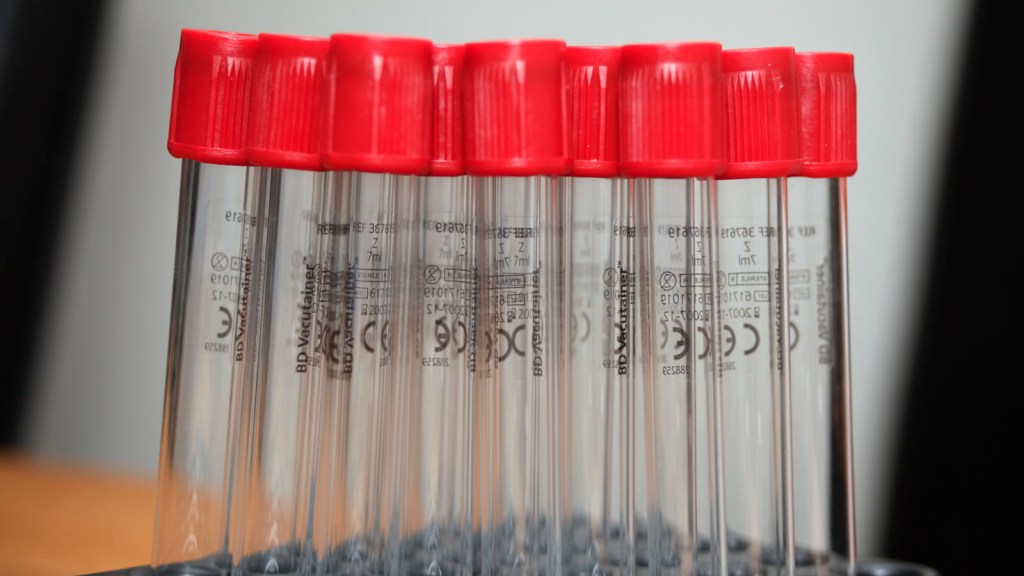
The Lipoprotein A Test Almost Nobody Gets
About one in five adults carry high Lp(a) and never find out. One lipoprotein a test settles the number for life, and it changes what else you treat…
-
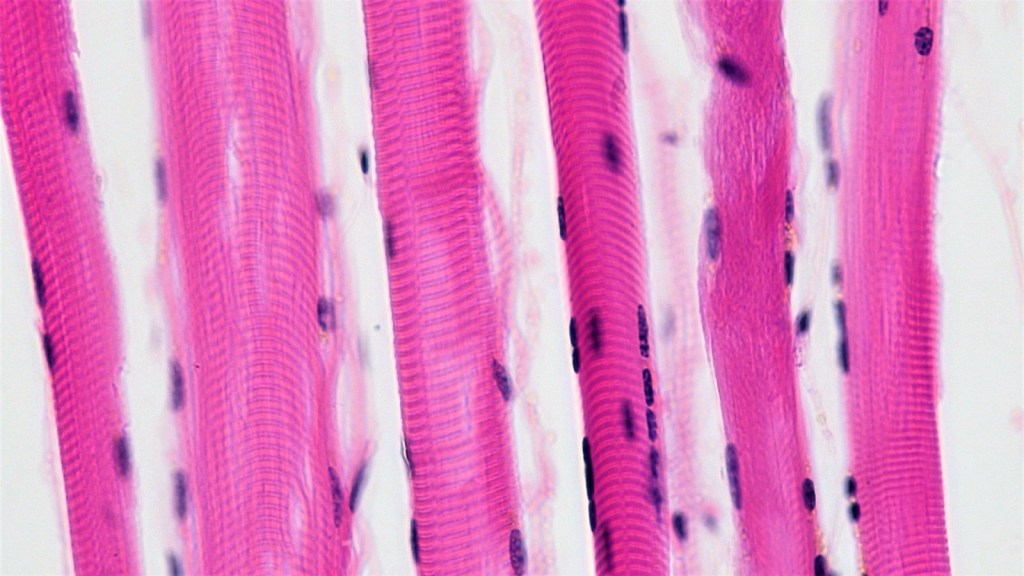
The GLP-1 Muscle Drug That Builds Mass, Not Strength
A GLP-1 muscle drug held lean-mass loss to 2.3% in the 507-person BELIEVE trial. But grip strength did not improve, and no drug in the class is approved.
-

The GLP-1 Pill, and the Alzheimer’s Trial That Failed
The GLP-1 pill takes about 11% off body weight in 72 weeks, less than the shots do. Then the class failed its biggest Alzheimer’s trial. What the evidence…
-
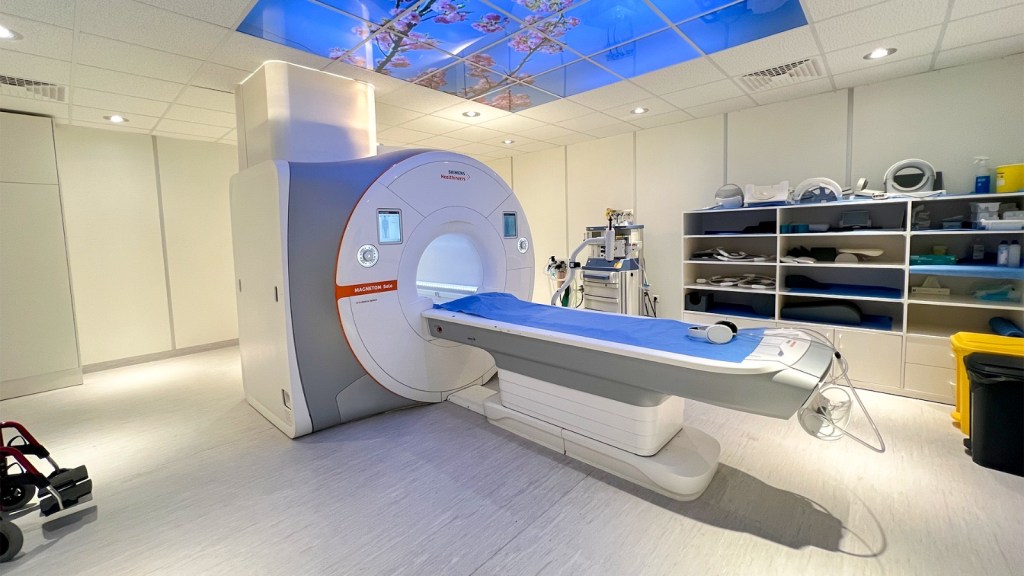
Is a Full Body MRI Scan Worth It? What Evidence Says
A full body MRI scan finds a cancer in about 1.6 of every 100 healthy people, and a harmless spot in most of the rest. Here is what…
-
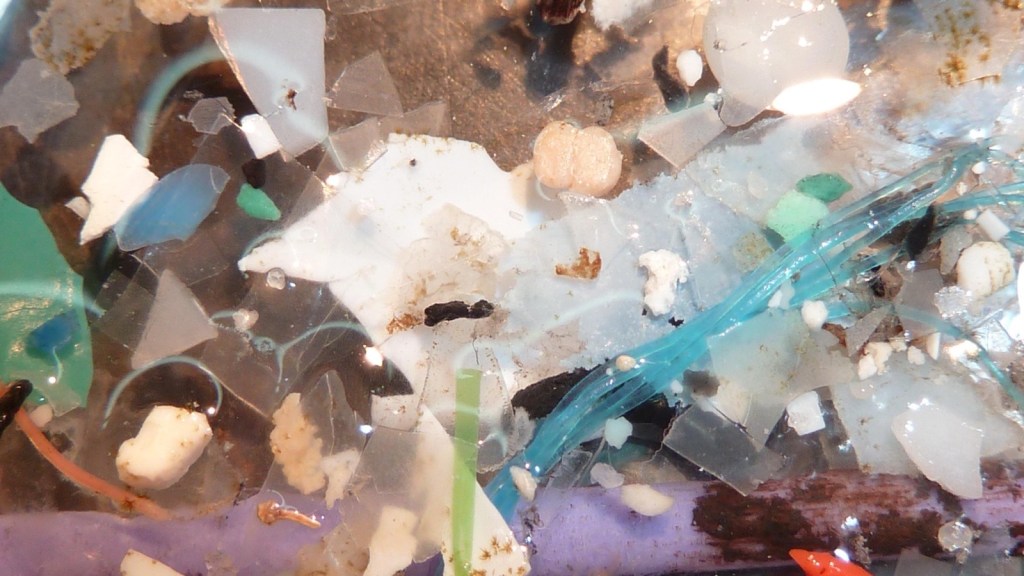
Microplastics in Brain Tissue: The Spoon Study, Checked
A 2025 study found microplastics in brain tissue at about half a percent by weight. Here is what the spoon headline means, and why chemists dispute it.
-
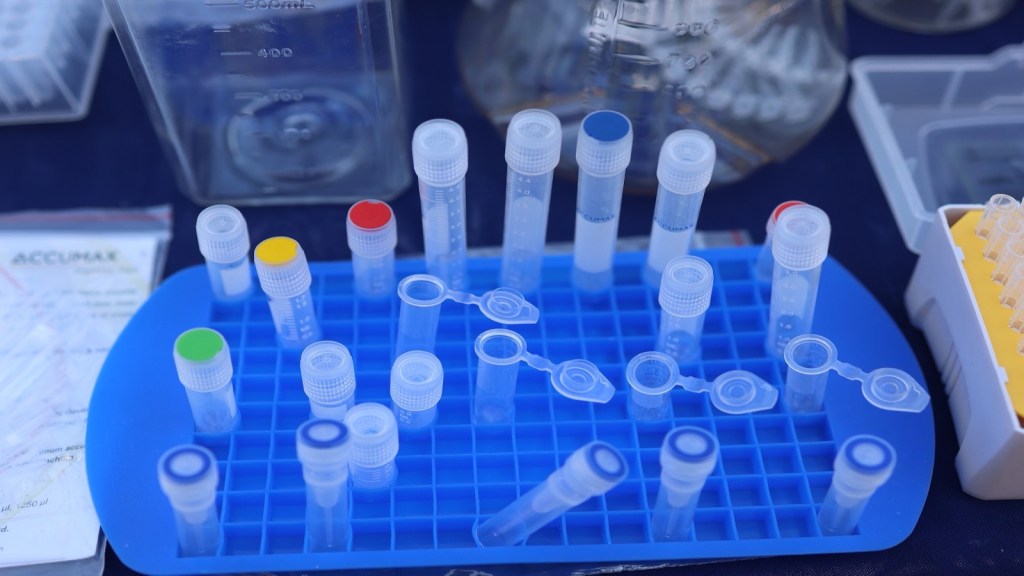
Alzheimer’s Blood Test: What the Result Can Tell You
An Alzheimer’s blood test can confirm amyloid from one draw. All four FDA-cleared tests are for people with symptoms, and 1 in 5 results answers nothing.
-

Digital Detox Evidence: Two Weeks Off Mobile Internet
The digital detox evidence finally has a real trial: 467 adults blocked mobile internet for two weeks. What actually improved, and what the numbers hide.
-
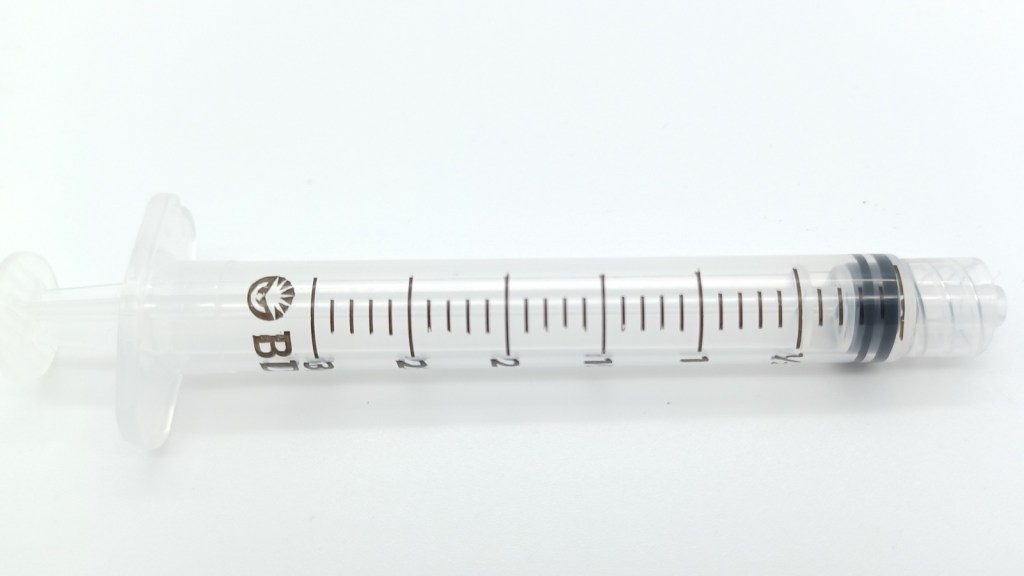
Shingles Vaccine Dementia Link: How Strong Is It?
How strong is the shingles vaccine dementia link? A birthday cutoff in Wales made the best test yet. Here is what it shows, and what it still cannot…
-

Deep Sleep Brain Cleaning: What Science Really Shows
Is deep sleep brain cleaning real? The largest human trial found no clear overnight difference, and mouse studies now disagree. Here is the honest evidence.
-

Weekend Warrior Exercise: Two Days a Week Is Enough
Weekend warrior exercise is linked to the same lower risk of dying as spreading workouts across the week. What 21 studies say about training on two days.

